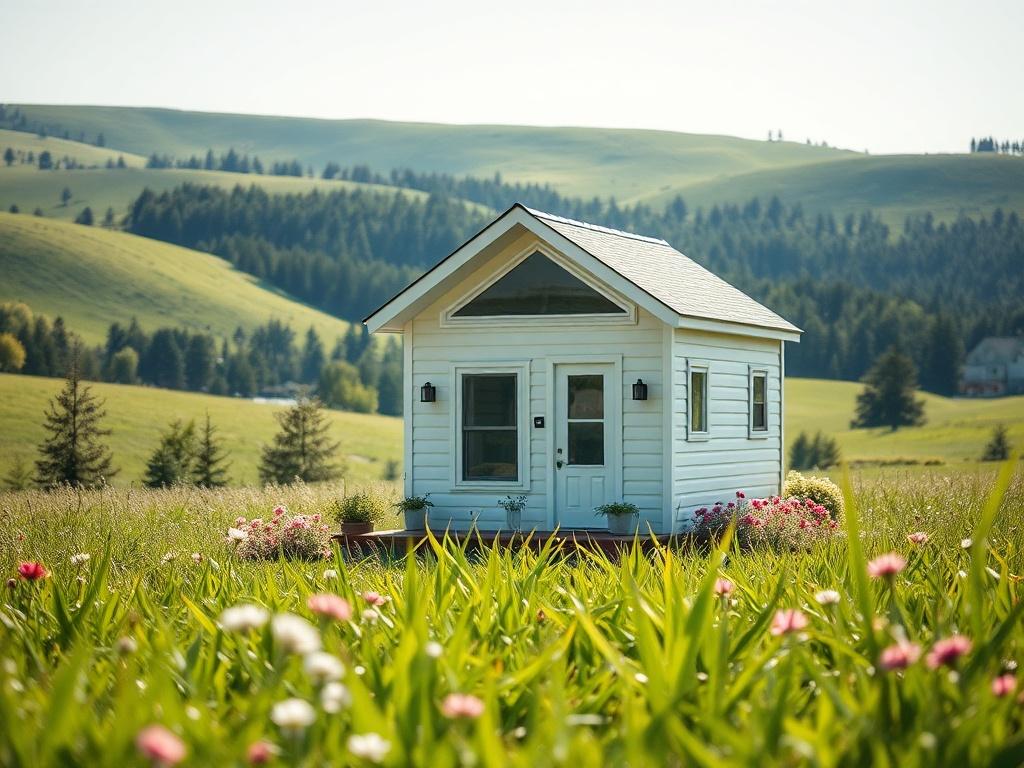
In recent years, tiny homes have surged in popularity, capturing the imagination of those seeking a more affordable and sustainable way of living. As the real estate market continues to evolve, these compact dwellings represent a viable alternative for individuals and families looking to downsize while maximizing their quality of life. The movement reflects a growing desire to simplify lifestyles, reduce financial burdens, and make environmentally conscious choices. Discover the advantages of tiny homes in today's real estate market and how they can offer innovative solutions to modern housing challenges.
The tiny home trend embraces minimalism, encouraging people to reevaluate their possessions and prioritize what truly matters. With a focus on efficient design and functionality, these homes redefine the concept of living space by challenging traditional norms associated with large houses. Embracing this transformative lifestyle choice not only fosters a sense of freedom and purpose but also paves the way for sustainable living and a reduced environmental footprint. Explore how tiny homes can shape the future of living and inspire a new generation of homeowners to rethink their approach to housing and community.
Discover the advantages of tiny homes in today’s real estate market
Tiny homes have emerged as a powerful solution in the evolving landscape of real estate. As housing prices soar, many individuals and families are seeking alternatives that provide both affordability and flexibility. Tiny homes offer a significant advantage in this area; they typically cost less to purchase and maintain than traditional houses. With downsizing becoming a popular trend, these compact dwellings create opportunities for homeowners to invest in lifestyle rather than just square footage. This shift allows people to reallocate their finances towards experiences, travel, or education, enhancing their quality of life in an increasingly busy world.
In addition to being budget-friendly, tiny homes often come with a smaller environmental footprint, appealing to eco-conscious buyers. By utilizing less land and resources, these homes contribute to sustainability efforts, which are more crucial than ever. Many tiny homes incorporate renewable energy sources and eco-friendly materials, making them a smart choice for environmentally-minded individuals. As the real estate market becomes more competitive, discovering the advantages of tiny homes sets potential buyers apart. Investing in a tiny home not only addresses financial constraints but also aligns with a growing desire for responsible and meaningful living.
How tiny homes redefine affordability and sustainability
Tiny homes significantly enhance affordability by lowering the barriers to homeownership. With their smaller square footage, these homes come with reduced construction and maintenance costs, making it possible for more people to own a home without incurring crippling debt. Buyers can find quality finishes and smart designs in compact spaces, proving that less can indeed be more. Additionally, tiny homes usually generate lower utility bills, which allows homeowners to allocate their resources to other essential aspects of life, such as travel or education, instead of getting caught up in excessive mortgage payments.
Sustainability flourishes in tiny homes, where efficient designs lead to a smaller ecological footprint. Homeowners often incorporate eco-friendly materials and renewable energy sources, resulting in reduced waste and lower carbon emissions. Many tiny homes feature innovative space-saving solutions and multi-functional furniture, which encourage a more sustainable lifestyle. By refining our living spaces and embracing smarter consumption, tiny homes pave the way for a future that values quality living over quantity, aligning perfectly with the increasing demand for environmentally responsible living.
Embracing minimalism: A transformative lifestyle choice for modern living
Tiny homes naturally align with the principles of minimalism, encouraging individuals to prioritize experiences over possessions. By significantly reducing living space, homeowners adopt a lifestyle that focuses on what's truly important to them. This shift often leads to a deeper appreciation for life’s simple pleasures, such as spending quality time with loved ones, enjoying nature, and pursuing hobbies. Minimalism drives people to declutter their surroundings, fostering a sense of calm and clarity. As homeowners discover the benefits of living with less, they often experience an increase in overall happiness and satisfaction.
Moreover, this transformative lifestyle can lead to financial freedom. By downsizing, individuals can significantly lower their expenses, from mortgage payments to utility costs. With reduced financial burden, tiny home dwellers gain the freedom to invest their resources in experiences, travel, or education—further enhancing their overall quality of life. Embracing minimalism in your living space not only cultivates a more harmonious environment but also encourages mindful consumption, inviting a sense of purpose into everyday life. This new approach to living represents not just a home, but a holistic way to engage with the world around us.